
Recent from talks
Matamoros, Tamaulipas
Knowledge base stats:
Talk channels stats:
Members stats:
Matamoros, Tamaulipas
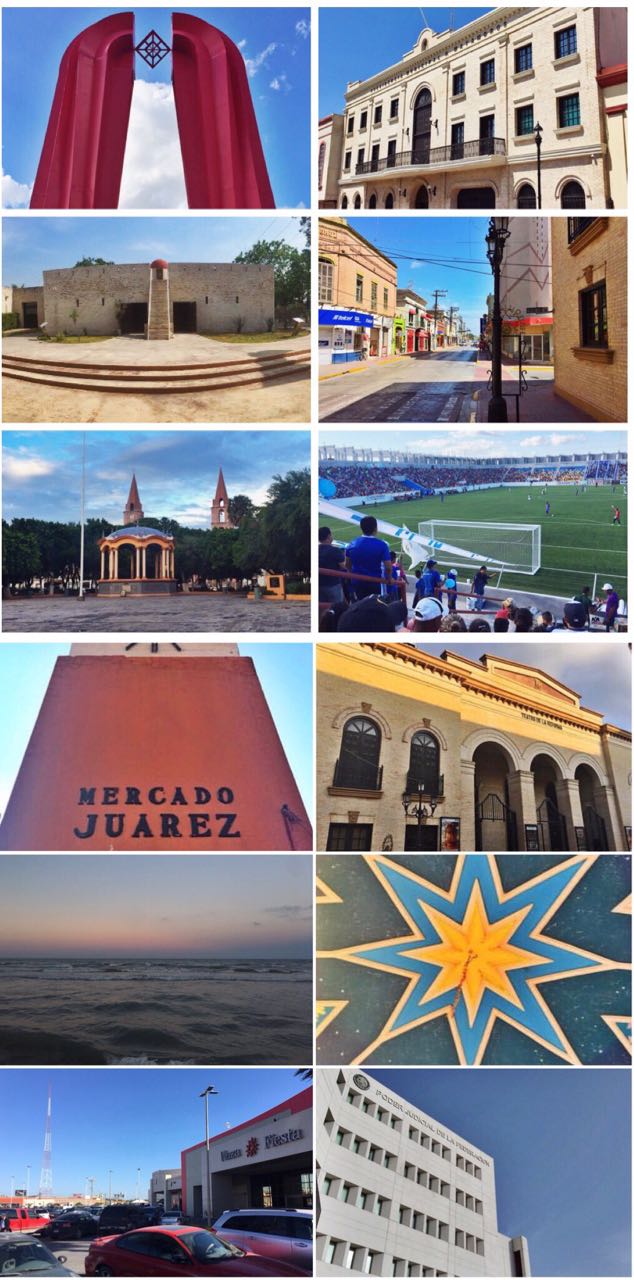
Matamoros, officially known as Heroica Matamoros, is a city in the northeastern Mexican state of Tamaulipas, and the municipal seat of the homonymous municipality. It is on the southern bank of the Rio Grande, directly across the border from Brownsville, Texas, United States. Matamoros is the second largest city in the state of Tamaulipas. As of 2016, Matamoros had a population of 520,367. In addition, the Matamoros–Brownsville Metropolitan Area has a population of 1,387,985, making it the 4th largest metropolitan area on the Mexico–US border. Matamoros is the 39th largest city in Mexico and anchors the second largest metropolitan area in Tamaulipas.
The economy of the city is significantly based on its international trade with the United States through the USMCA agreement, and it is home to one of the most promising industrial sectors in Mexico, mainly due to the presence of maquiladoras. In Matamoros, the automotive industry hosts the assembly and accessories plants for brands such as General Motors, Ford, Chrysler, BMW, and Mercedes-Benz. Prior to the growth of the maquiladoras in the 2000s, Matamoros' economy had historically been principally based on agriculture, since northern Mexico's biggest irrigation zones are in the municipality. PEMEX announced a multibillion-peso offshore drilling project for the port of Matamoros, one of the future prospects for Mexico's oil industry.
Matamoros is a major historical site, the site of several battles and events of the Mexican War of Independence, the Mexican Revolution, the Texas Revolution, the Mexican–American War, the American Civil War, and the French Intervention that allowed the city to earn its title of "Undefeated, Loyal, and Heroic". The Mexican National Anthem was played for the first time in public at an opera house, the Teatro de la Reforma (sometimes known as The Opera Theater) in Matamoros.
Matamoros has a semiarid climate, with mild winters and hot, humid summers. Matamoros and Brownsville, Texas, are home to the Charro Days and Sombrero Festival, two-nation fiestas that commemorate the heritage of the U.S. and Mexico which are celebrated every February.
In 1519, the same year that Hernán Cortés arrived at the port of Veracruz, a captain named Alonso Álvarez de Pineda carried out a brief expedition to the region of northern Tamaulipas, where he named the town known today as Rio Bravo (Rio Grande) as Rio de las Palmas (Palms River). Nevertheless, the actual founding of Matamoros began in 1686, when Captain Alonso de León explored the area and concluded that the Rio Grande was an excellent route for navigation, and that the area of Matamoros was an ideal spot for cattle raising.
In the year 1749, thirteen enterprising families, twelve from Camargo and one from Reynosa, decided to invest and begin a new, influential cattle industry in the area. Former landowners were skeptical that this new investment would be successful, since the frequent overflow of the Rio Grande caused severe floods, and because ranches were occasionally attacked by Indians. Nonetheless, these thirteen families effectively carried out their business plan and created 113 cattle-raising sites. In the year 1774, they officially named the area San Juan de los Esteros Hermosos, known today as Matamoros.
In 1793, to colonize the province of Nuevo Santander, two Franciscan missionaries named Francisco Pueyes and Manuel Júlio Silva established a parish in the main plaza of Matamoros. They proposed a new name for the community: Villa del Refugio, in honor of the parish and patron saint, Our Lady of the Refuge of the Estuaries.
In 1826, the governor Lucas Fernandez dispatched a decree to change the name of the city to Matamoros, in honor of Mariano Matamoros, a hero of the Mexican War of Independence, who participated along with José María Morelos. During the Texas Revolution (1836), Matamoros was the fortress for many Mexican soldiers against rebel attacks.
Hub AI
Matamoros, Tamaulipas AI simulator
(@Matamoros, Tamaulipas_simulator)
Matamoros, Tamaulipas
Matamoros, officially known as Heroica Matamoros, is a city in the northeastern Mexican state of Tamaulipas, and the municipal seat of the homonymous municipality. It is on the southern bank of the Rio Grande, directly across the border from Brownsville, Texas, United States. Matamoros is the second largest city in the state of Tamaulipas. As of 2016, Matamoros had a population of 520,367. In addition, the Matamoros–Brownsville Metropolitan Area has a population of 1,387,985, making it the 4th largest metropolitan area on the Mexico–US border. Matamoros is the 39th largest city in Mexico and anchors the second largest metropolitan area in Tamaulipas.
The economy of the city is significantly based on its international trade with the United States through the USMCA agreement, and it is home to one of the most promising industrial sectors in Mexico, mainly due to the presence of maquiladoras. In Matamoros, the automotive industry hosts the assembly and accessories plants for brands such as General Motors, Ford, Chrysler, BMW, and Mercedes-Benz. Prior to the growth of the maquiladoras in the 2000s, Matamoros' economy had historically been principally based on agriculture, since northern Mexico's biggest irrigation zones are in the municipality. PEMEX announced a multibillion-peso offshore drilling project for the port of Matamoros, one of the future prospects for Mexico's oil industry.
Matamoros is a major historical site, the site of several battles and events of the Mexican War of Independence, the Mexican Revolution, the Texas Revolution, the Mexican–American War, the American Civil War, and the French Intervention that allowed the city to earn its title of "Undefeated, Loyal, and Heroic". The Mexican National Anthem was played for the first time in public at an opera house, the Teatro de la Reforma (sometimes known as The Opera Theater) in Matamoros.
Matamoros has a semiarid climate, with mild winters and hot, humid summers. Matamoros and Brownsville, Texas, are home to the Charro Days and Sombrero Festival, two-nation fiestas that commemorate the heritage of the U.S. and Mexico which are celebrated every February.
In 1519, the same year that Hernán Cortés arrived at the port of Veracruz, a captain named Alonso Álvarez de Pineda carried out a brief expedition to the region of northern Tamaulipas, where he named the town known today as Rio Bravo (Rio Grande) as Rio de las Palmas (Palms River). Nevertheless, the actual founding of Matamoros began in 1686, when Captain Alonso de León explored the area and concluded that the Rio Grande was an excellent route for navigation, and that the area of Matamoros was an ideal spot for cattle raising.
In the year 1749, thirteen enterprising families, twelve from Camargo and one from Reynosa, decided to invest and begin a new, influential cattle industry in the area. Former landowners were skeptical that this new investment would be successful, since the frequent overflow of the Rio Grande caused severe floods, and because ranches were occasionally attacked by Indians. Nonetheless, these thirteen families effectively carried out their business plan and created 113 cattle-raising sites. In the year 1774, they officially named the area San Juan de los Esteros Hermosos, known today as Matamoros.
In 1793, to colonize the province of Nuevo Santander, two Franciscan missionaries named Francisco Pueyes and Manuel Júlio Silva established a parish in the main plaza of Matamoros. They proposed a new name for the community: Villa del Refugio, in honor of the parish and patron saint, Our Lady of the Refuge of the Estuaries.
In 1826, the governor Lucas Fernandez dispatched a decree to change the name of the city to Matamoros, in honor of Mariano Matamoros, a hero of the Mexican War of Independence, who participated along with José María Morelos. During the Texas Revolution (1836), Matamoros was the fortress for many Mexican soldiers against rebel attacks.
Recent media