



Community hub
Recent from talks
Knowledge base stats:
Talk channels stats:
Members stats:
Peru
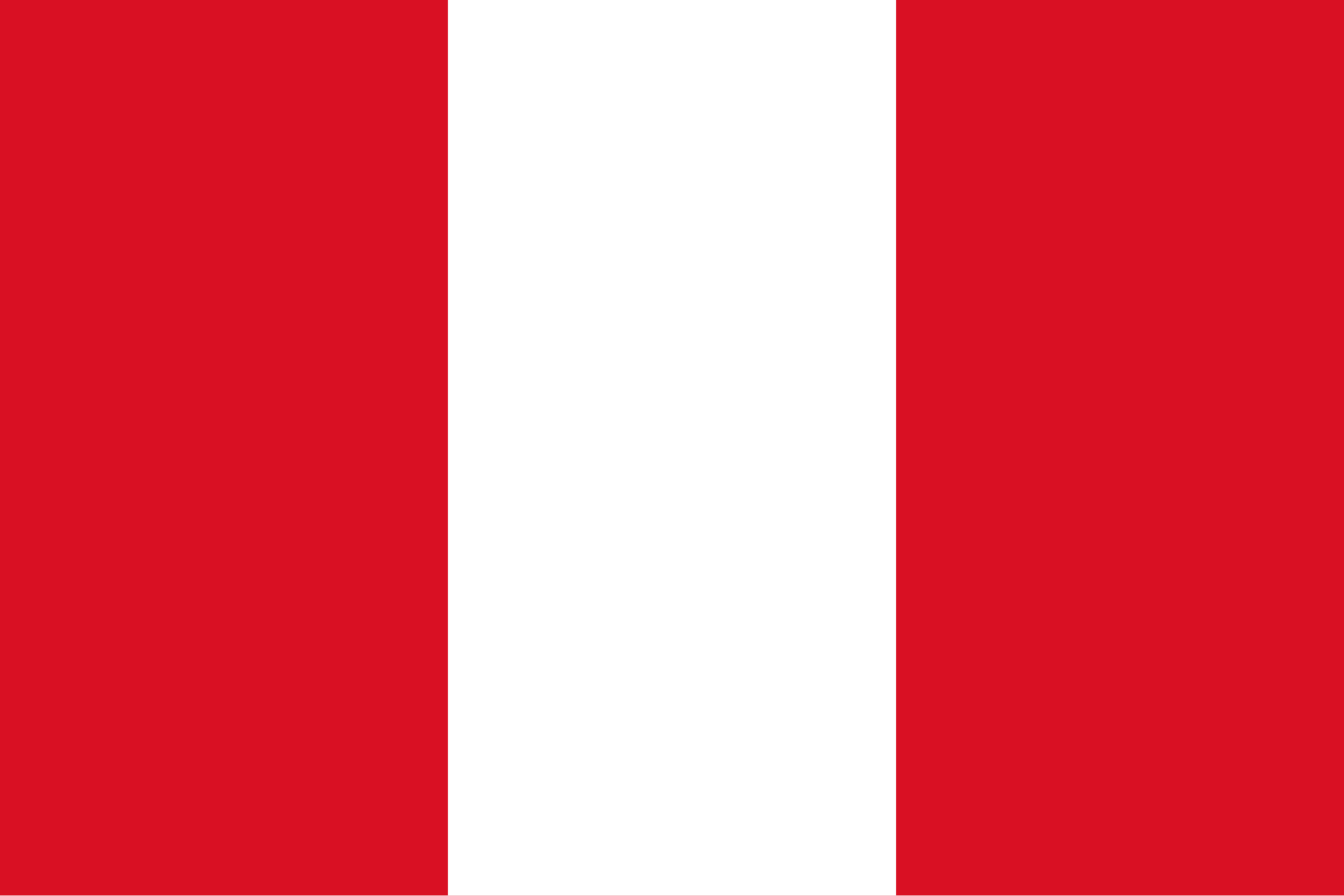
Peru, officially the Republic of Peru, is a country in western South America. It is bordered to the north by Ecuador and Colombia, to the east by Brazil, to the southeast by Bolivia, to the south by Chile, and to the south and west by the Pacific Ocean. Peru is a megadiverse country, with habitats ranging from the arid plains of the Pacific coastal region in the west, to the peaks of the Andes mountains extending from the north to the southeast of the country, to the tropical Amazon basin rainforest in the east with the Amazon River. Peru has a population of over 32 million, and its capital and largest city is Lima. At 1,285,216 km2 (496,225 sq mi), Peru is the 19th largest country in the world, and the third largest in South America.
Peruvian territory was home to several cultures during the ancient and medieval periods, and has one of the longest histories of civilization of any country, tracing its heritage back to the 10th millennium BCE Caral–Supe civilization, the earliest civilization in the Americas and considered one of the cradles of civilization. Notable succeeding cultures and civilizations include the Nazca culture, the Moche, Wari and Tiwanaku empires, the Kingdom of Cusco, and the Inca Empire, the largest known state in the pre-Columbian Americas. The Spanish Empire conquered the region in the 16th century and Charles V established a viceroyalty with the official name of the Kingdom of Peru that encompassed most of its South American territories, with its capital in Lima. Higher education started in the Americas with the official establishment of the National University of San Marcos in Lima in 1551.
Peru formally proclaimed independence from Spain in 1821, and following the military campaigns of Bernardo O'Higgins, José de San Martín, and Simón Bolívar, as well as the decisive battle of Ayacucho, it completed its independence in 1824. In the ensuing years, the country first suffered from political instability until a period of relative economic and political stability began due to the exploitation of guano that ended with the War of the Pacific (1879–1884). Throughout the 20th century, Peru grappled with political and social instability, including the internal conflict between the state and guerrilla groups, interspersed with periods of economic growth. Implementation of Plan Verde shifted Peru towards neoliberal economics under the authoritarian rule of Alberto Fujimori and Vladimiro Montesinos in the 1990s, with the former's political ideology of Fujimorism leaving a lasting imprint on the country's governance that continues to present day. The 2000s marked economic expansion and poverty reduction, but the subsequent decade revealed long-existing sociopolitical vulnerabilities, exacerbated by a political crisis instigated by Congress and the COVID-19 pandemic, precipitating the period of unrest beginning in 2022.
The sovereign state of Peru is a representative democratic republic divided into 25 regions. Its main economic activities include mining, manufacturing, agriculture and fishing, along with other growing sectors such as telecommunications and biotechnology. The country forms part of The Pacific Pumas, a political and economic grouping of countries along Latin America's Pacific coast that share common trends of positive growth, stable macroeconomic foundations, improved governance and an openness to global integration. Peru ranks high in social freedom; it is an active member of the Asia-Pacific Economic Cooperation, the Pacific Alliance, the Comprehensive and Progressive Agreement for Trans-Pacific Partnership and the World Trade Organization; and is considered as a middle power.
Peru's population includes Mestizos, Amerindians, Europeans, Africans and Asians. The main spoken language is Spanish, although a significant number of Peruvians speak Quechuan languages, Aymara, or other Indigenous languages. This mixture of cultural traditions has resulted in a wide diversity of expressions in fields such as art, cuisine, literature, and music. Peru has recently gained international recognition for its vibrant gastronomy, blending Indigenous, Spanish, African, and Asian influences. Lima is now considered a global culinary capital, home to award-winning restaurants like Central and Maido.
The name of the country may be derived from Birú, the name of a local ruler who lived near the Bay of San Miguel, Panama City, in the early 16th century. Spanish conquistadors, who arrived in 1522, believed this was the southernmost part of the New World. When Francisco Pizarro invaded the regions farther south, they came to be designated Birú or Perú.
An alternative history is provided by the contemporary writer Inca Garcilaso de la Vega, son of an Inca princess and a conquistador. He said the name Birú was that of a common Amerindian who was happened upon by the crew of a ship on an exploratory mission for governor Pedro Arias Dávila and went on to relate more instances of misunderstandings due to the lack of a common language.
The Spanish crown gave the name legal status with the 1529 Capitulación de Toledo, which designated the newly encountered Inca Empire as the province of Peru. In 1561, the rebel Lope de Aguirre declared himself the "Prince" of an independent Peru, which was cut short by his arrest and execution. Under Spanish rule, the country adopted the denomination Viceroyalty of Peru, which became the Peruvian Republic from its independence until 1979, when it adopted its current name of Republic of Peru.
Hub AI
Peru AI simulator
(@Peru_simulator)
Peru
Peru, officially the Republic of Peru, is a country in western South America. It is bordered to the north by Ecuador and Colombia, to the east by Brazil, to the southeast by Bolivia, to the south by Chile, and to the south and west by the Pacific Ocean. Peru is a megadiverse country, with habitats ranging from the arid plains of the Pacific coastal region in the west, to the peaks of the Andes mountains extending from the north to the southeast of the country, to the tropical Amazon basin rainforest in the east with the Amazon River. Peru has a population of over 32 million, and its capital and largest city is Lima. At 1,285,216 km2 (496,225 sq mi), Peru is the 19th largest country in the world, and the third largest in South America.
Peruvian territory was home to several cultures during the ancient and medieval periods, and has one of the longest histories of civilization of any country, tracing its heritage back to the 10th millennium BCE Caral–Supe civilization, the earliest civilization in the Americas and considered one of the cradles of civilization. Notable succeeding cultures and civilizations include the Nazca culture, the Moche, Wari and Tiwanaku empires, the Kingdom of Cusco, and the Inca Empire, the largest known state in the pre-Columbian Americas. The Spanish Empire conquered the region in the 16th century and Charles V established a viceroyalty with the official name of the Kingdom of Peru that encompassed most of its South American territories, with its capital in Lima. Higher education started in the Americas with the official establishment of the National University of San Marcos in Lima in 1551.
Peru formally proclaimed independence from Spain in 1821, and following the military campaigns of Bernardo O'Higgins, José de San Martín, and Simón Bolívar, as well as the decisive battle of Ayacucho, it completed its independence in 1824. In the ensuing years, the country first suffered from political instability until a period of relative economic and political stability began due to the exploitation of guano that ended with the War of the Pacific (1879–1884). Throughout the 20th century, Peru grappled with political and social instability, including the internal conflict between the state and guerrilla groups, interspersed with periods of economic growth. Implementation of Plan Verde shifted Peru towards neoliberal economics under the authoritarian rule of Alberto Fujimori and Vladimiro Montesinos in the 1990s, with the former's political ideology of Fujimorism leaving a lasting imprint on the country's governance that continues to present day. The 2000s marked economic expansion and poverty reduction, but the subsequent decade revealed long-existing sociopolitical vulnerabilities, exacerbated by a political crisis instigated by Congress and the COVID-19 pandemic, precipitating the period of unrest beginning in 2022.
The sovereign state of Peru is a representative democratic republic divided into 25 regions. Its main economic activities include mining, manufacturing, agriculture and fishing, along with other growing sectors such as telecommunications and biotechnology. The country forms part of The Pacific Pumas, a political and economic grouping of countries along Latin America's Pacific coast that share common trends of positive growth, stable macroeconomic foundations, improved governance and an openness to global integration. Peru ranks high in social freedom; it is an active member of the Asia-Pacific Economic Cooperation, the Pacific Alliance, the Comprehensive and Progressive Agreement for Trans-Pacific Partnership and the World Trade Organization; and is considered as a middle power.
Peru's population includes Mestizos, Amerindians, Europeans, Africans and Asians. The main spoken language is Spanish, although a significant number of Peruvians speak Quechuan languages, Aymara, or other Indigenous languages. This mixture of cultural traditions has resulted in a wide diversity of expressions in fields such as art, cuisine, literature, and music. Peru has recently gained international recognition for its vibrant gastronomy, blending Indigenous, Spanish, African, and Asian influences. Lima is now considered a global culinary capital, home to award-winning restaurants like Central and Maido.
The name of the country may be derived from Birú, the name of a local ruler who lived near the Bay of San Miguel, Panama City, in the early 16th century. Spanish conquistadors, who arrived in 1522, believed this was the southernmost part of the New World. When Francisco Pizarro invaded the regions farther south, they came to be designated Birú or Perú.
An alternative history is provided by the contemporary writer Inca Garcilaso de la Vega, son of an Inca princess and a conquistador. He said the name Birú was that of a common Amerindian who was happened upon by the crew of a ship on an exploratory mission for governor Pedro Arias Dávila and went on to relate more instances of misunderstandings due to the lack of a common language.
The Spanish crown gave the name legal status with the 1529 Capitulación de Toledo, which designated the newly encountered Inca Empire as the province of Peru. In 1561, the rebel Lope de Aguirre declared himself the "Prince" of an independent Peru, which was cut short by his arrest and execution. Under Spanish rule, the country adopted the denomination Viceroyalty of Peru, which became the Peruvian Republic from its independence until 1979, when it adopted its current name of Republic of Peru.